
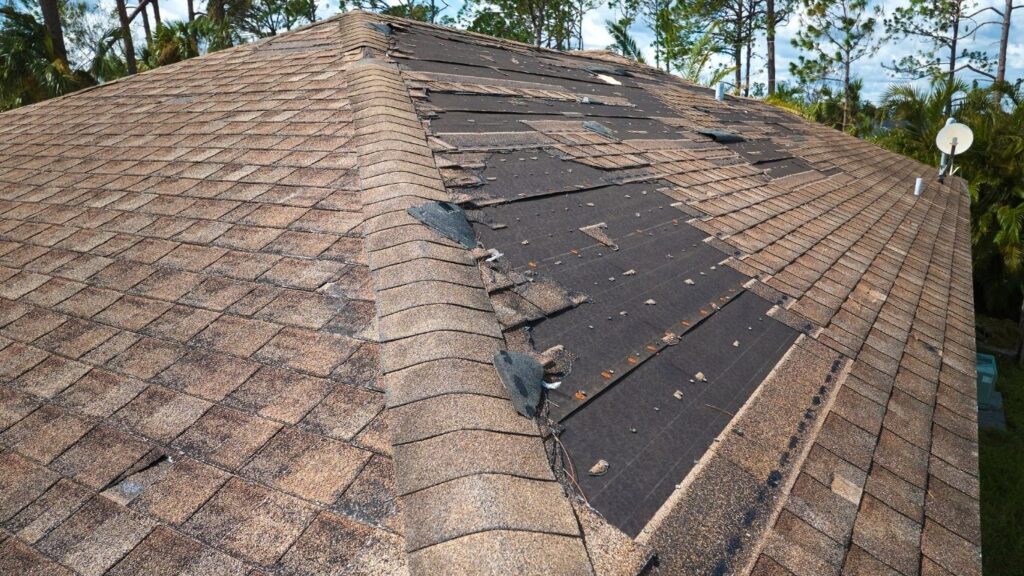
If you think you might need roof repair, the worst thing you can do is ignore it and hope the problem goes away.
Roof damage does not always start as a dramatic ceiling leak or missing chunk of roof. Sometimes it starts with one lifted shingle, a cracked tile, damaged flashing, or a small leak that only shows up during heavy rain. The problem is, small roofing issues can spread fast in Central Florida weather.
Between heat, humidity, heavy rain, wind, and storm season, Orlando roofs take a beating. If something looks off, it is usually better to have it checked before the next round of bad weather makes the damage worse.
Here’s what homeowners should know when they think they may need roof repair.
Signs You May Need Roof Repair
Some roof problems are obvious. Others are easy to miss until they become more expensive.
You may need roof repair if you notice:
- Water stains on your ceiling or walls
- Dripping water during or after rain
- Missing, cracked, curled, or lifted shingles
- Broken, loose, or slipped roof tiles
- Soft spots or sagging areas on the roof
- Granules collecting near gutters or downspouts
- Damaged flashing around vents, skylights, chimneys, or roof edges
- Mold, mildew, or musty smells in the attic
- Light coming through the attic roof boards
- Roof damage after heavy wind, rain, or falling branches
A roof issue does not have to look severe to deserve attention. Sometimes the visible damage is only one part of the problem. Water can travel under roofing materials before showing up inside the home, which means the leak may not be directly above the stain you see on the ceiling.
That is why guessing from the ground can be risky. A professional inspection can help determine whether the issue is minor, spreading, or connected to a larger roofing problem.
What to Do If You Notice Roof Damage
If you see signs of roof damage, the first step is to stay safe and avoid making the problem worse.
Here’s what you should do:
- Check inside the home for active leaks
Look for dripping water, ceiling stains, wet drywall, or soft spots. If water is actively coming in, place a bucket or container underneath the leak and move valuables out of the area. - Take photos of visible damage
If you can safely take photos from the ground or inside the home, do it. Photos can help document what you noticed and when the problem started. - Avoid climbing on the roof
Roof damage can make surfaces unstable, especially after rain or wind. Tile roofs can also be damaged further by walking on them incorrectly. - Do not ignore small warning signs
A small stain, lifted shingle, or cracked tile may seem minor, but these issues can allow water to reach areas beneath the roof surface. - Call a roofing contractor for an inspection
A roofer can check the affected area, identify the likely source of the problem, and explain whether repair is possible.
The key is not to panic, but also not to wait too long. Roof problems are much easier to deal with when they are caught early.
Why Waiting Can Make Roof Damage Worse
A small roof issue can become a much larger problem if it is left alone.
When roofing materials are damaged, water can get beneath the outer layer of the roof. Once moisture gets in, it can affect the decking, insulation, attic, drywall, and other parts of the home.
Delaying roof repair can lead to:
- Larger leaks
- Interior ceiling or wall damage
- Mold or mildew growth
- Damaged roof decking
- Higher repair costs
- More materials needing replacement
- More serious damage during the next storm
This is especially important in Orlando and Central Florida, where storms can roll in quickly. One small weak spot in the roof may not seem urgent today, but repeated rain and wind can turn it into a much bigger issue.
A timely repair can often help prevent a small roofing problem from becoming a full-blown headache. And nobody wakes up saying, “You know what I’d love today? Surprise drywall damage.” Lovely little nightmare.
Can Roof Damage Be Repaired, or Does the Roof Need Replacement?
Not every roofing issue means you need a full roof replacement.
In many cases, isolated roof damage can be repaired. For example, a roofer may be able to repair or replace damaged shingles, broken tiles, flashing, sealant, or a specific leak area.
Roof repair may be possible when:
- The damage is limited to one section
- The roof is still in overall serviceable condition
- The leak source can be clearly identified
- Surrounding roofing materials are still performing properly
- The issue was caused by isolated storm or impact damage
However, replacement may need to be discussed if:
- The roof is near the end of its expected life
- Damage is widespread
- There are repeated leaks
- Roofing materials are brittle, worn, or failing
- Repairs would only be a temporary patch
A good roofing contractor should not automatically push replacement without looking at the actual condition of the roof. The right recommendation depends on the age of the roof, the type of roofing system, the extent of the damage, and whether a repair would actually solve the problem.
The goal is simple: fix the issue the right way, not sell the biggest job possible.
What a Roofer Will Check During a Roof Repair Visit
When a roofing contractor inspects a repair issue, they should look beyond the most obvious visible damage.
A roof repair inspection may include checking:
- Damaged shingles, tiles, or roofing materials
- Flashing around vents, chimneys, skylights, and roof edges
- Roof valleys where water flows heavily
- Gutters and drainage areas
- Soft or weakened decking
- Signs of water entry in the attic
- Sealant or fastener issues
- Areas affected by storm debris or wind
- The condition of nearby roofing materials
This matters because roof leaks are not always straightforward. Water can enter in one place, travel along decking or framing, and show up somewhere else inside the home.
A proper inspection helps identify the actual source of the issue instead of just covering up the symptom.
Why Orlando Roofs Need Timely Attention
Roofs in Central Florida deal with tough conditions throughout the year.
Orlando homeowners regularly face:
- Heavy afternoon rain
- High humidity
- Intense sun exposure
- Wind and storm activity
- Hurricane-season weather
- Falling branches and storm debris
- Rapid temperature changes on roofing materials
Over time, these conditions can wear down shingles, tiles, sealants, flashing, and other parts of the roofing system. Even newer roofs can experience damage after severe weather or impact from debris.
That does not mean every roof problem is an emergency. But it does mean that homeowners should take warning signs seriously.
If you notice roof damage before or after a storm, it is better to get a clear answer than to wait and wonder. A simple inspection can tell you whether the issue needs immediate repair or whether it can be monitored.
Need Roof Repair in the Orlando Area?
If you are seeing signs of roof damage, a leak, or something that just does not look right, Orlando Roof Tech can help inspect the problem and explain your repair options clearly.
Whether the issue involves shingles, tile, flat roofing, storm damage, or an active leak, the first step is finding out what is actually going on.
Contact Orlando Roof Tech to schedule roof repair service in the Orlando area.
FAQs About Roof Repair
How do I know if my roof needs repair?
You may need roof repair if you notice leaks, ceiling stains, missing shingles, cracked tiles, damaged flashing, sagging areas, or roof damage after a storm. Some issues are not obvious from the ground, so it is best to have the roof inspected if you suspect damage.
Can a roof leak be repaired without replacing the whole roof?
Yes, many roof leaks can be repaired without replacing the entire roof, especially if the damage is isolated. However, if the roof is older, has widespread damage, or has repeated leak issues, replacement may be the better long-term option.
Is it safe to wait on roof repair?
Waiting can be risky because small roof problems can spread. Water can damage decking, insulation, drywall, and other parts of the home. If you notice signs of damage, it is better to have the issue checked before the next storm.
What should I do if my roof is leaking during rain?
If your roof is actively leaking, move valuables away from the area, place a bucket or container under the leak, and avoid climbing on the roof. Take photos if it is safe to do so, then contact a roofing contractor as soon as possible.
Should I call a roofer after a storm?
If you see missing materials, broken tiles, lifted shingles, leaks, or debris damage after a storm, it is a good idea to call a roofer for an inspection. Storm damage is not always obvious right away, and small issues can become worse with more rain.
Does roof repair always mean my roof is in bad condition?
No. Roof repair is often needed for isolated problems, such as damaged flashing, broken tiles, missing shingles, or small leak areas. A roof inspection can help determine whether the issue is minor or part of a larger roofing problem.